The Strategic Importance of BaaS in 2025
In 2025, a data-first approach continues to shape how organisations operate, scale, and secure their operations. The massive surge in structured and unstructured data, combined with globally distributed workforces, has demanded more agile and centralised solutions. As a result, Backup as a Service (BaaS) is no longer considered just an IT asset, but rather a business enabler.
Through BaaS and Disaster as a Service solution, operations are being fortified against uncertainties such as ransomware, accidental deletions, and compliance breaches. This shift is driven not just by the evolution of data volumes, but also by the increased reliance on cloud-native applications and remote infrastructure. Enterprises are prioritising BaaS to ensure that IT continuity aligns with business continuity frameworks and robust data backup strategy.
Modern businesses are now being encouraged to evaluate whether existing backup systems are designed to scale with growing cyber risks and evolving regulatory mandates. BaaS is enabling this transformation while being cost-efficient and less resource intensive.
How BaaS Supports Business Continuity
Business continuity strategies are expected to cover more than just the recovery of data, they are expected to ensure operational resilience, seamless service delivery, and minimal downtime. These expectations are being met more consistently when BaaS is integrated as a core component of IT continuity frameworks.
The availability of real-time and scheduled automated backups has ensured that data can be recovered with minimum manual intervention. In scenarios such as ransomware, to protect from malware attacks or hardware failures, backups are being retrieved quickly from cloud repositories. As a result, long downtimes are being prevented, and customer experiences are remaining uninterrupted.
Additionally, security protocols such as end-to-end encryption, immutable backups, and geographically dispersed storage have been standardised in BaaS offerings. These capabilities are allowing businesses to demonstrate compliance across various data privacy regulations such as GDPR, HIPAA, and ISO 27001. This layer of cloud data protection is making recovery efforts more reliable and audit ready.

In situations involving cloud migrations or IT infrastructure upgrades, BaaS has acted as a safeguard. Before system transitions, data is being securely backed up to prevent any loss during platform transfers. This proactive step is supporting business continuity during IT transformation projects and aligning closely with disaster recovery as a service (DRaaS) initiatives.
Key Features to Look for in a BaaS Solution
When assessing which BaaS solution best fits a business continuity strategy, several essential features should be prioritised.
First, end-to-end encryption is non-negotiable. Whether data is in transit or at rest, encryption ensures its integrity.
Second, compatibility with multi-cloud and hybrid infrastructures is being sought after. A solution that supports physical, virtual, and cloud environments should be preferred for flexibility.
Centralised dashboards enable IT teams to monitor backup status across all endpoints. This visibility helps with auditing, performance analysis, and future capacity planning.
Implementing role-based access controls limit exposure and define accountability. Not everyone within the organisation needs access to backup logs, which is why granular control improves governance.
Lastly, the availability of automatic alerts and backup test reports ensures that recoverability is not just assumed, it is being continuously validated.
These features, when offered in a single BaaS platform, align with strategic business continuity goals, particularly in industries where downtime can translate into lost revenue or reputation damage. Businesses seeking enterprise backup solutions are encouraged to prioritise these capabilities as foundational elements.
Industries Benefiting Most from BaaS in 2025
While BaaS is being adopted across various industries, certain verticals are experiencing amplified value due to the sensitive and high-volume nature of their data.
Healthcare providers are leveraging BaaS to secure electronic health records (EHRs), medical imaging, and patient communications. Regulatory frameworks such as HIPAA are being adhered to more confidently with encrypted and tamper-proof backups.
Financial institutions are deploying BaaS to meet auditing requirements and protect transaction logs, loan documents, and sensitive client data. Compliance with GDPR and PCI-DSS is being simplified through reliable backup reports and resilient cloud data protection architecture.
Legal and consulting firms are storing contract versions, case files, and confidential advisory records through BaaS. With access logs and recovery capabilities, client trust is being enhanced.
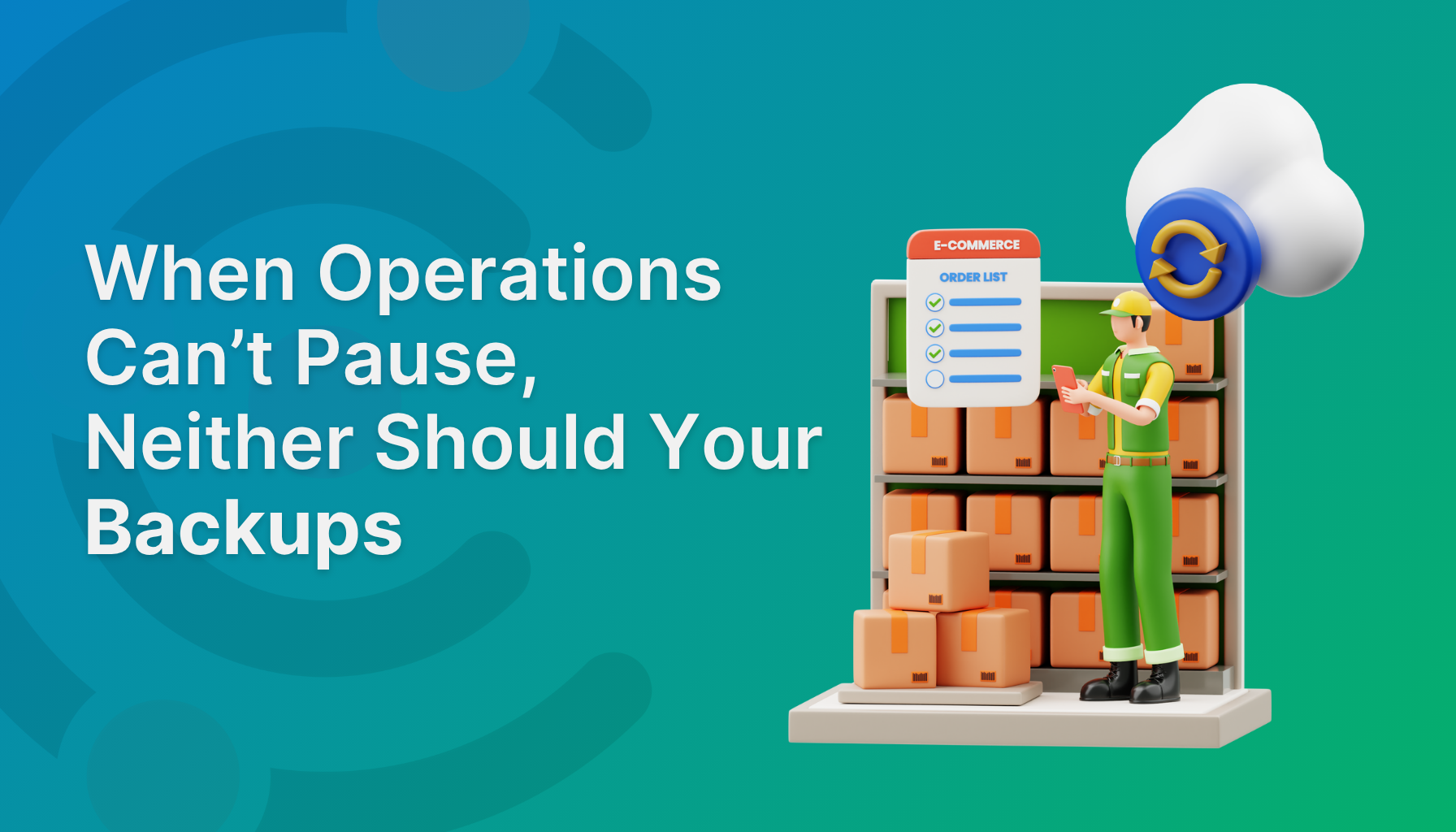
eCommerce and retail businesses are using BaaS to maintain business continuity during traffic surges, sales periods, or website updates. Any data loss due to a failed deployment or system crash is being instantly reversible.
As industry-specific challenges become more data-centric, BaaS is emerging as the preferred support model to ensure consistent performance and compliance and continuity, all while complementing a holistic data backup strategy.
Cost-Efficiency & ROI of Modern BaaS
Contrary to the assumption that advanced cloud services led to increased operational costs, BaaS is proving to be a cost-optimised choice. Businesses are no longer investing heavily in on-premises infrastructure or dedicated backup servers. Instead, they are subscribing to scalable models that grow with their needs.
Internal IT teams are being relieved from routine backup maintenance tasks. This operational shift is improving productivity and allowing staff to focus on innovation, cybersecurity, and digital transformation projects.
From a financial perspective, the ROI of BaaS is being reflected in reduced downtime, fewer data loss incidents, and better audit outcomes. Moreover, client confidence is being improved as businesses highlight their ability to restore services rapidly during unforeseen events.
In a climate where every minute of downtime can cost thousands, businesses now treat BaaS as a business insurance investment with measurable returns. Its integration with disaster recovery as a service (DRaaS) solutions is also helping organisations centralise recovery planning under a single, cloud-based framework.
Learn more about Offshore Managed IT Services Hybrid Cloud and On Premises IT Management
Future Trends in Backup as a Service
Looking ahead, BaaS solutions are expected to become more intelligent and adaptive. Artificial Intelligence (AI) is already being integrated into backup orchestration, allowing backups to be optimised based on usage patterns, data criticality, and access frequency.
BaaS platforms are also aligning with Zero Trust Architecture, where every device, user, and data request is being authenticated before access. This approach is expected to enhance security and compliance in backup environments.
Another trend that is being closely watched is green cloud storage. Service providers are being evaluated not only for performance but also for their environmental footprint. As sustainability reporting becomes essential, businesses are preferring BaaS vendors who offer eco-conscious data centre practices.
These developments are expected to further strengthen enterprise backup solutions and position BaaS as a strategic function that supports resilience, regulatory alignment, and innovation.
Conclusion
By leveraging Backup as a Service, businesses are being empowered to maintain operational continuity, safeguard digital assets, and meet evolving compliance expectations, all while reducing complexity and cost. As 2025 continues to present new data security demands, the shift toward resilient, cloud-first architectures is being seen not just as a choice, but as a necessity.
At IMS Nucleii, enterprise-grade cloud data protection and disaster recovery as a service (DRaaS) are being delivered through fully managed BaaS frameworks tailored to support uninterrupted business performance.
To explore how a tailored data backup strategy can improve your resilience posture, our experts are ready to help you adopt scalable, secure, and future-focused enterprise backup solutions, backed by industry-best practices and 24/7 support.