Staffing firms are the backbone of talent acquisition, connecting candidates to companies across industries. In doing so, they manage large volumes of sensitive data—candidate profiles, Social Security numbers, payroll information, and client business records. This treasure trove of data makes staffing firms attractive targets for cyberattacks. With 43% of attacks targeting small businesses and average losses reaching $25,000 per incident, traditional security methods are no longer sufficient.
Zero Trust Network Architecture (ZTA) is a cybersecurity approach based on the principle of “never trust, always verify.” Organisations across various industries have implemented this model to enhance security. For example, companies implementing ZTA report a 90% reduction in breach costs due to faster detection and response times. Hospitals using Zero Trust have managed to comply with HIPAA regulations while reducing insider threats. Staffing firms can also achieve similar successes by tailoring the Zero Trust framework to their specific operational needs.
Importance of Cybersecurity in Staffing Firms
Staffing firms handle a unique blend of personal and business-critical data. These firms face significant cybersecurity risks with increased digitisation and reliance on third-party vendors. Examples include:
- Leaders Staffing Breach (2024): A breach at this Fort Wayne-based staffing agency affected over 51,000 individuals, exposing Social Security numbers and other sensitive details.
- Find Great People (2024): This Greenville staffing provider reported a breach impacting 12,205 people, compromising personal identifiers like names and birth dates. The repercussions of such incidents include:
- Financial Losses: Direct costs of mitigating breaches, legal fees, and fines for non-compliance with data regulations like GDPR or CCPA.
- Reputation Damage: Clients and candidates lose trust in agencies that are unable to safeguard their data.
- Operational Disruptions: Post-breach investigations can halt business processes, affecting service delivery.
As cyber threats evolve, adopting Zero Trust Network Architecture is no longer optional; it’s essential for securing sensitive assets.

What is Zero Trust Architecture (ZTA)?
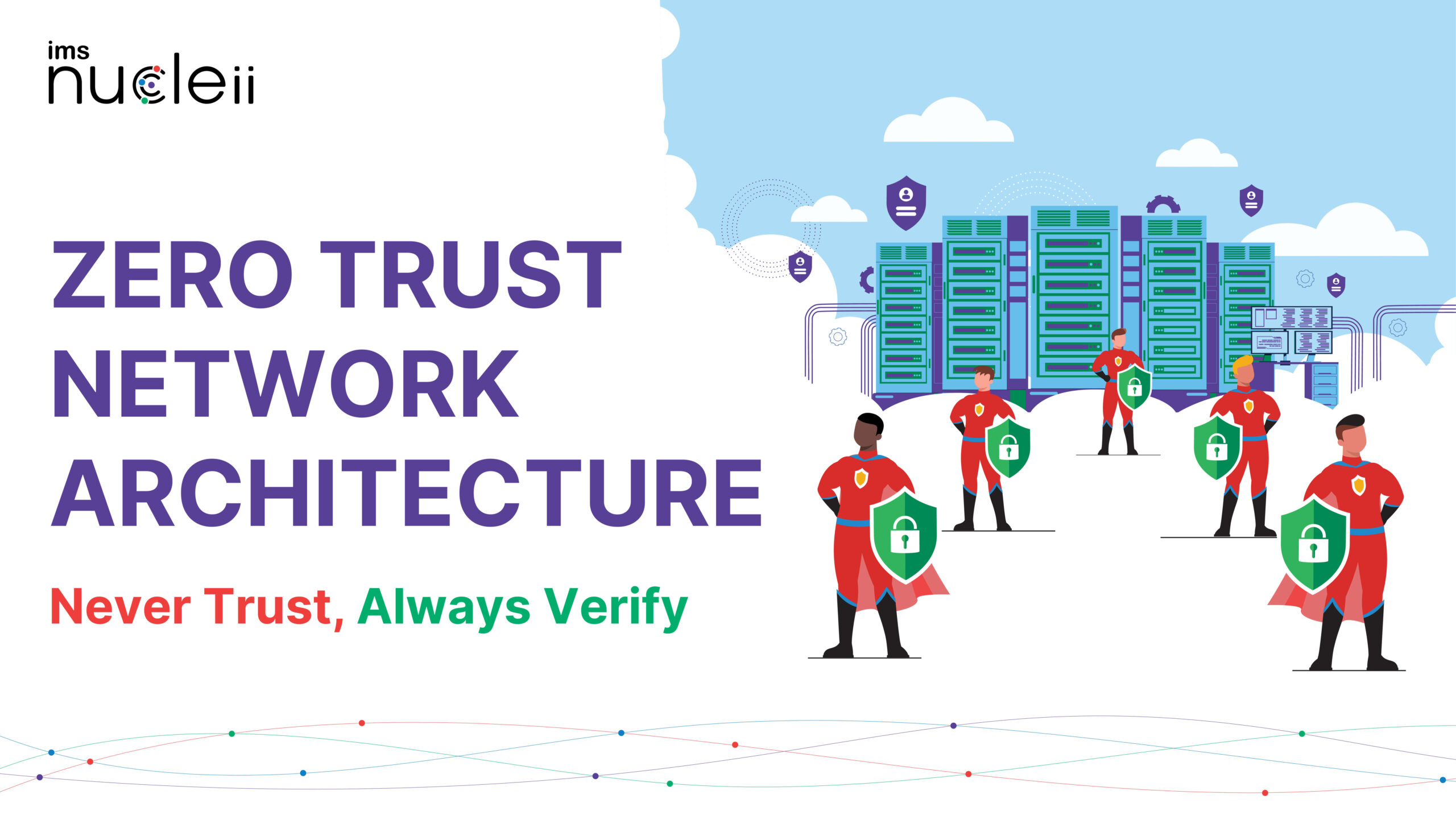
- Zero Trust Network Architecture (ZTA) is a security framework that operates on the principle of “never trust, always verify.” Unlike traditional security models that rely on perimeter defences to protect internal systems, Zero Trust assumes that threats can exist both inside and outside an organisation’s network.
- As a result, every user, device, application, and connection are treated as untrusted until explicitly verified.
Core Principles of ZTA:
- Least Privilege Access: Users and devices are granted the minimum level of access necessary to perform their tasks. This reduces the risk of attackers’ lateral movement within a network.
- Continuous Verification: Access is not granted permanently. Instead, it’s continuously re-evaluated based on factors like user behaviour, device security posture, and location.
- Micro-Segmentation: Networks are divided into smaller, isolated zones to minimise the spread of threats. Each zone requires a separate authorisation.
- Assume Breach: ZTA operates on the assumption that breaches have already occurred or will occur, focusing on detection, containment, and mitigation.
- Secure Access Across All Resources: Whether it’s on-premises systems, cloud services, or remote devices, ZTA enforces security consistently across the board.
Technologies Supporting ZTA
The architecture is underpinned by advanced security technologies, including:
- Identity and Access Management (IAM): To manage and authenticate user identities effectively.
- Multi-Factor Authentication (MFA): Adds extra layers of validation to confirm user authenticity.
- Encryption: Protects sensitive data during storage and transmission.
- Real-Time Monitoring: Provides instant visibility into potential vulnerabilities or breaches.
Why Staffing Firms Need Zero Trust?
The traditional “castle-and-moat” approach to cybersecurity—where everything inside the network perimeter is trusted—simply doesn’t hold up in today’s digital landscape. With remote work, cloud-based operations, and increasingly sophisticated cyberattacks, staffing firms face unique vulnerabilities that demand a more resilient approach:
- Data Sensitivity: Staffing firms handle vast amounts of personal and business information, including candidate CVs, client contracts, and payroll details. A single breach could lead to devastating legal and reputational fallout.
- Third-Party Exposure: External vendors, such as those providing payroll systems, data storage, or recruitment tools, often introduce additional points of exposure, creating a wider attack surface.
- Compliance Pressure: Compliance frameworks like GDPR and CCPA require airtight data protection. Failure to do so could result in hefty fines and damaged trust.
Zero Trust Network Access tackles these challenges head-on. Requiring strict, continuous verification of every user and device—inside or outside the network—dramatically reduces risks, limits access to critical data, and ensures adherence to compliance standards.
Benefits of Zero Trust for Staffing Firms
Implementing Zero Trust Network Architecture offers numerous advantages tailored to the unique needs of staffing firms:
- Enhanced Data Security: Protects personal and financial data from unauthorised access, reducing breach risks.
- Regulatory Compliance: Simplifies adherence to data protection laws, avoiding hefty fines.
- Adaptability to Remote Work: Provides secure access to systems for remote employees or field recruiters.
- Insider Threat Mitigation: Detects and prevents malicious or negligent actions by internal users.
- Resilient Third-Party Collaboration: Safeguards data shared with external vendors through stricter access controls.
Zero Trust Security becomes a comprehensive shield for staffing operations by addressing vulnerabilities at every level.
Challenges for Staffing Firms in Adopting Zero Trust
While the benefits are clear, implementing Zero Trust Network Architecture poses specific challenges for staffing firms:
- Initial Costs: Upfront investments in infrastructure, tools, and training can strain budgets, especially for smaller firms.
- Cultural Resistance: Employees accustomed to traditional access methods may resist new protocols, necessitating robust training and change management.
- Integration Complexity: Aligning Zero Trust principles with existing legacy systems or recruitment tools can be technically challenging.
- Third-Party Dependencies: Extending Zero Trust to vendors and contractors requires careful coordination and oversight.
Despite these hurdles, the long-term benefits far outweigh the initial obstacles, ensuring operational resilience and data integrity.
How Staffing Firms Can Implement Zero Trust?
Adopting a zero-trust model requires a systematic and phased approach. Here’s how staffing firms can make the transition effectively:
- Assess Your Current Security Posture: Conduct a detailed evaluation to uncover vulnerabilities and prioritise critical assets such as candidate profiles and payroll systems.
- Define Protected Surfaces: Identify and focus on safeguarding high-value data rather than spreading resources too thinly across less critical areas.
- Deploy Identity and Access Management (IAM): Utilise multi-factor authentication (MFA) for secure logins and enforce role-based access controls to limit access strictly by necessity.
- Implement Micro-Segmentation: Break your network into smaller, isolated sections to contain breaches and prevent them from spreading laterally.
- Enable Continuous Monitoring: Use advanced tools to monitor user behaviour continuously, quickly flagging and responding to suspicious activities in real-time.
- Engage Cybersecurity Experts: Work with experienced Zero Trust providers to streamline implementation and ensure adherence to best practices.
By following these steps, staffing firms can transition to Zero Trust with minimal disruption, enhancing security and safeguarding sensitive data.
Conclusion
The evolving threat landscape demands a proactive approach to cybersecurity. For staffing firms, the adoption of Zero Trust Network Architecture is not just a security measure—it’s a strategic imperative. By safeguarding sensitive data, ensuring regulatory compliance, and building trust with clients and candidates, ZTA positions staffing firms for sustained success.
At IMS Nucleii, we specialise in guiding staffing firms through the complexities of zero-trust adoption. Our tailored solutions ensure seamless implementation, empowering your firm to thrive in a secure and compliant environment.
Contact us today for a free consultation and take the first step toward transforming your cybersecurity framework.