Did you know that 68% of business leaders feel their cybersecurity risks are increasing, especially with remote work becoming a permanent fixture? A 2024 report by Cybersecurity Ventures predicts cybercrime will cost the world $10.5 trillion annually by 2025, with remote work being a major contributor to vulnerability. As more companies embrace flexible work environments, ensuring cybersecurity is no longer optional; it’s essential.
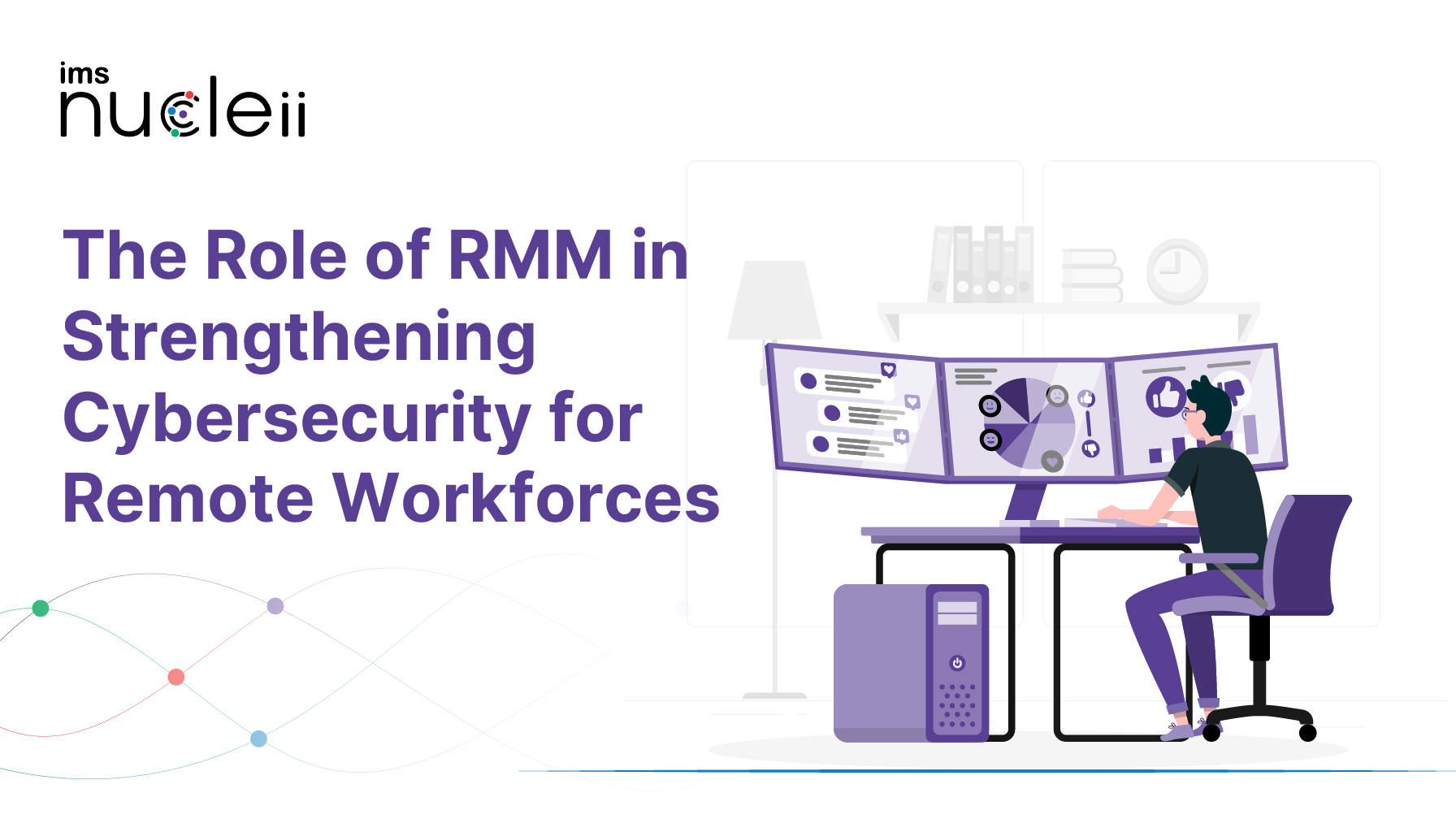
One powerful yet often overlooked solution is Remote Monitoring and Management (RMM). RMM isn’t just about keeping IT systems running smoothly; it’s a frontline defense mechanism to proactively safeguard remote teams from ever-evolving cyber threats. Combined with Remote Desktop Protocol (RDP), businesses can ensure secure and seamless remote access without compromising their cybersecurity posture.
Understanding Cybersecurity Challanges for Remote Teams
- Increased Attack Surface: Different devices in multiple locations mean more entry points for hackers.
- Endpoint Vulnerabilities: Employees often use personal devices or unsecured Wi-Fi networks, leading to sensitive data being left unsecured.
- Lack of Real-Time Oversight: IT teams can’t physically monitor remote employees’ systems.
- Compliance Risks: Handling financial records, personal data, or client information remotely increases regulatory compliance burdens.
Without a proactive strategy, these risks can quickly escalate into costly data breaches or prolonged downtime.